

After the World Health Organization (WHO) declared the end to the global COVID-19 emergency in May 3, 2023, many of us cannot think about going thru another pandemic. First we heard about the hantavirus outbreak in a cruise ship in April. The federal government is keeping a close watch on the Americans that were on board the cruise. Now, we have a ebola outbreak in Congo.
WHO has declared the Ebola outbreak spanning the Democratic Republic on Congo (DRC) and Uganda a global health emergency as of May 2026, citing accelerating transmission and mounting cross-border risk. With the outbreak now ranking as the third-largest on record -750 cases and 177 deaths- officials say the pace of the spread in eastern DRC is outstripping early containment efforts. The declaration has intensified international concern over whether fragile health systems and insecurity in affected areas can sustain a coordinated response.
The Ebola current situation
As of May 23, 2026, health authorities report nearly 750 cases and 177 deaths, alongside more than 600 suspected cases and 139 suspected deaths till under investigation. Confirmed infections have been recorded across Sud-Kivu, Ituri, and Nord-Kivu provinces, underscoring the outbreak’s widening geographic footprint in eastern DRC. Officials say more than 1,400 contacts are currently under monitoring, with surveillance teams prioritizing high-risk exposures and cross-border movement. Epidemiological summaries indicate most cases are among adults aed 20-39, with a majority of patients female -a pattern experts say may reflect caregiving roles and exposures in community settings.
Will the Ebola outbreak reach the United States?
Qué es el Bundibugyo, la cepa del ébola que se ha expandido en África y por qué preocupa tanto a la OMS
El Bundibugyo es una de las cuatro cepas conocidas del ébola que afecta a humanos. Al tratarse de una especie poco común del virus, los expertos cuentan con poca experiencia… pic.twitter.com/r35l5aLCfV
— DW Español (@dw_espanol) May 19, 2026
Bases on current information, the risk of the Ebola outbreak reaching the U.S. is considered low. Here are the key points:
Current U.S. Status:
Suspected ebola cases in Central Africa are now well into the hundreds as officials worry the outbreak will continue to grow. ABC News' Alex Presha reports. https://t.co/zQ9Nn5MRE9 pic.twitter.com/uoEF2ddy7w
— ABC News (@ABC) May 23, 2026
Why the risk is low:
Uganda confirmed three new Ebola cases, raising the total number to five, as authorities intensified contact tracing to contain the outbreak https://t.co/zkwnYVfaEm pic.twitter.com/kIevllSDM1
— Reuters (@Reuters) May 23, 2026
U.S. Protective Measures Already in Place:
Amid warnings the Ebola virus is spreading rapidly in parts of Central Africa, the White House task force for the World Cup told the Democratic Republic of the Congo's team not to return to African nation before games or risk being barred from the U.S. @ReporterFaith reports. pic.twitter.com/0KTaZEcujf
— World News Tonight (@ABCWorldNews) May 23, 2026
Key Challenge:
While health officials are taking the outbreak seriously and maintaining vigilance, the combination of travel restrictions, screening measures, and the nature of how Ebola spreads means the likelihood of it reaching and spreading in the U.S. remains low.
Image Source
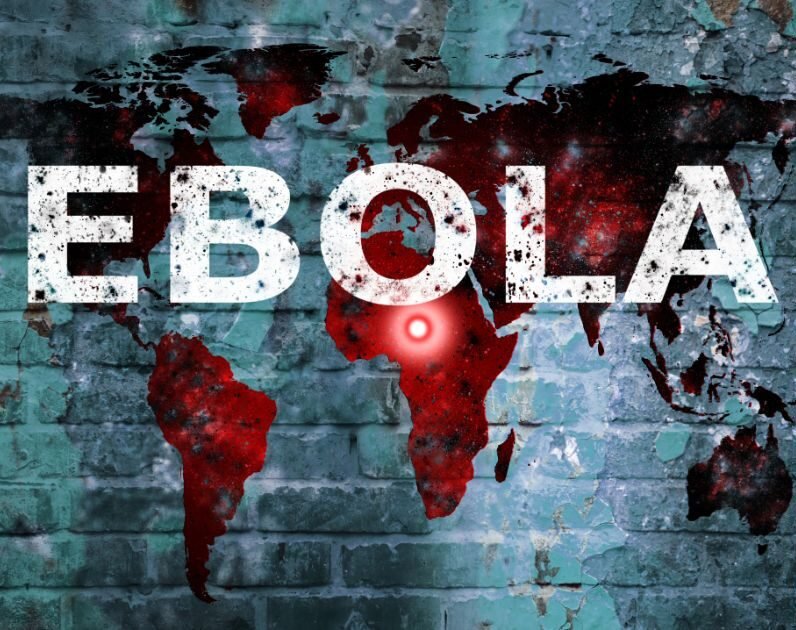
- Ebola: Canva













Leave a Reply