
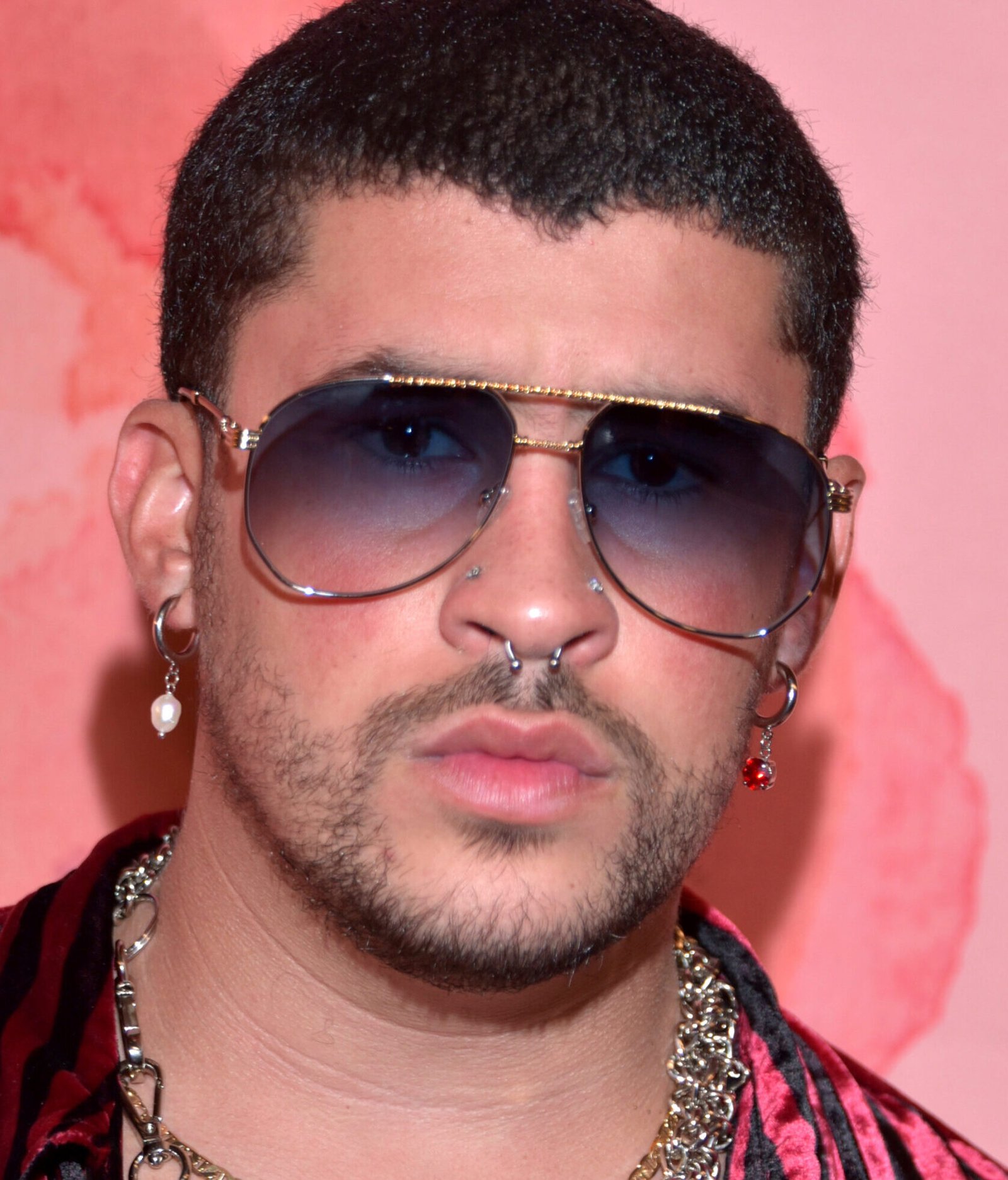
The legal drama between global superstar Bad Bunny and his ex-girlfriend, Puerto Rican attorney Carliz De La Cruz Hernández, just took dramatic turn – and this time, ella is the one gaining ground.
According to multiple recent rulings from the Supreme Course of Puerto Rico, Carliz has officially won a crucial step in her lawsuit, which accuses Bad Bunny of using her now-iconic “Bad Bunny, baby” vocal phrase without her permission in two hit songs and in a wide-ranging promotions. The court determined that she can continue pursuing her claims and that she does have the legal right to assert image and authorship rights over her recorded voice.
This decision doesn’t end the case or say that she won – but it clears the path for Carliz to potentially secure the $40 million she’s seeking for unauthorized commercial use of her voice, emotional damages, and violations of her rights.
More about the lawsuit
Entertainment attorney Heidy Vaquerano, told Newsweek, “that if Carliz ultimately prevails, her vocal tag could be treated as protectable contribution requiring ongoing royalty payments or licensing fees each time it is used. Vaquerano notes that artists often negotiate buyouts to avoid perpetual accounting, but that did not occur here with Carliz”. “In these cases, if an artist approaches the vocal tag author prior to release, they could negotiate an exclusive buyout of the vocal tag and pay a one-time flat fee for the use,” she said. “This is preferred as it cuts down on accounting issues and diminishes the copyright interest of co-writers of the song.”
She also points out that if her authorship gets formally recognized, that could mean royalty splits under standard industry practice – and that’s likely why Bad Bunny’s team fought so hard to keep her name off the credits. “There are no statutory rates for this type of license,” she said, meaning any payout would come down to negotiation or a judge’s call.
But this case isn’t just about música -it’s hitting home for her voice-over artists and companies figuring out voice-rights standards in real time. “A person’s voice is much more than a sound -it’s their identity,” said Ruth Zive, CMO of Voice-solutions platform.
“When you use someone’s voice recording commercially without clear consent and fair compensation, you cross a line the industry is only now starting to address,” she added. “For voice-over artists, this case reinforces what we’ve always believed: consent is the foundation. And how this gets resolved will matter even more as voice provenance becomes a critical issue with upcoming regulation.”
“Bad Bunny, baby” was recorded in 2015
The lawsuit traces back to a phrase she recorded in a bathroom in 2015, long before Bad Bunny became an international icon. She says she turned down low-ball offers from his team in 2022 to buy or license her voice before the release of “Un Verano Sin Ti”, yet the voice clip was used anyway.
The case gained even more momentum this week after Puerto Rico’s highest court reaffirmed that her claim has “sufficient allegations” to move forward, rejecting attempts to shut it down.
For many on the island, the ruling feels like a moment to justicia – a reminder that even the biggest estrellas must respect the rights and dignity of those who were part of their journey before fame.
For now, the legal battle continues, and Bad Bunny might have to subtract some millions from his bank account.
Image Source
- Bad Bunny: Wikipedia


Leave a Reply