

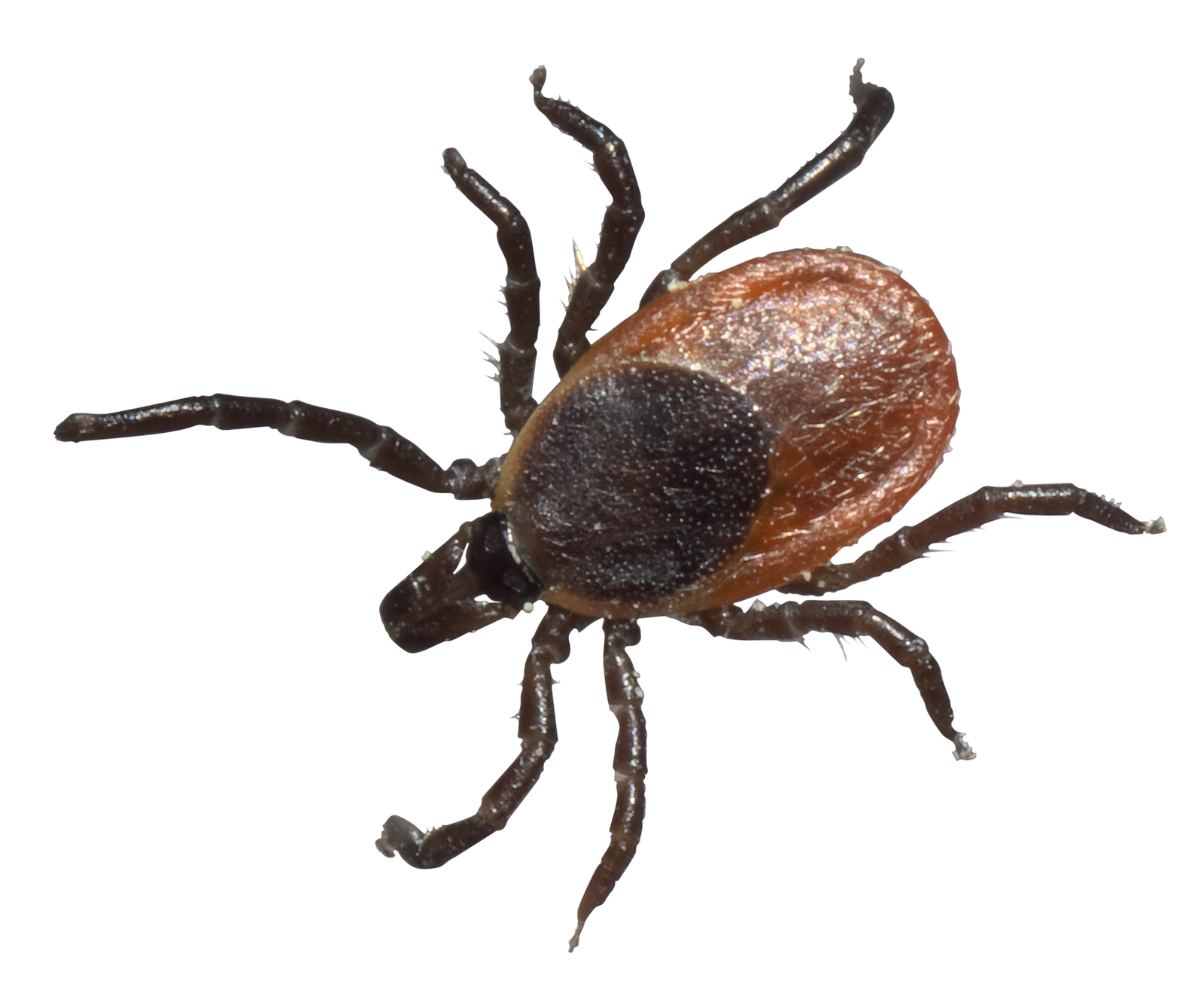
In 2026, the United States is facing one of its most severe tick infestations in nearly a decade. Reports from the Centers for Disease Control and Prevention (CDC) and local health departments indicate that tick activity has surged earlier and more intensely than usual, raising concerns about the spread of tick-borne diseases such as Lyme disease, Rocky Mountain spotted fever, and Alpha-gal syndrome.
Early Surge and Geographic Spread
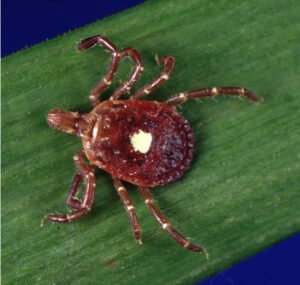 Image Source: Wikipedia
Tick Infestation
Typically, tick season peaks in late spring and early summer, but this year, emergency room visits for tick bites began spiking as early as March. The Northeast and Upper Midwest have been hit hardest, with states like New York, New Jersey, Pennsylvania, Wisconsin, and Maine reporting record numbers of tick encounters. Meanwhile, the South and parts of the West are also seeing increased activity, though to a lesser extent.
Experts attribute this early surge to a combination of mild winter temperatures and increased humidity, which have created ideal breeding conditions for ticks. Warmer winters have allowed more ticks to survive through the cold months, while wetter conditions have supported the growth of vegetation that provides shelter for both ticks and their animal hosts.
Health Implications
Image Source: WikipediaTick Infestation
The rise in tick activity has led to a corresponding increase in tick-borne illnesses. The CDC estimates that approximately 476,000 Americans are treated for Lyme disease each year, and that number is expected to climb in 2026. Other diseases, such as ehrlichiosis, babesiosis, and tularemia, are also on the rise.
Medical professionals are particularly concerned about Alpha-gal syndrome, a condition triggered by the bite of the Lone Star tick, which can cause severe allergic reactions to red meat. Cases of this syndrome have been reported in growing numbers across the southeastern and mid-Atlantic states.
Environmental and Ecological Factors
 Image Source: Wikipedia
Tick Infestation
Ecologists point to several environmental factors contributing to the infestation. Expanding suburban development has brought humans into closer contact with tick habitats, while declining predator populations have allowed deer and rodent populations—key tick hosts—to flourish. Climate change continues to play a major role, extending the tick season and expanding their range northward into areas previously too cold to sustain them.
Prevention and Public Response
Public health agencies are urging residents to take preventive measures, including:
Tick Bite Symptoms
Immediate Symptoms (First 24-48 hours)
Lyme Disease:
Rocky Mountain Spotted Fever:
Alpha-gal Syndrome (Lone Star tick):
When to Seek Medical Attention
Seek immediate care if you experience:
Important: Not all tick bites cause symptoms immediately. Monitor the bite site for several weeks and watch for any flu-like symptoms. If you saved the tick, bring it with you to your doctor for identification.
Looking Ahead
The 2026 tick infestation underscores the growing intersection between climate change, public health, and environmental management. As tick populations continue to expand, experts emphasize the need for long-term strategies, including habitat management, vaccine development, and improved diagnostic tools for tick-borne diseases.
The current outbreak serves as a reminder that tick-borne illnesses are not confined to rural or forested areas—they are a nationwide concern requiring coordinated action from health officials, environmental scientists, and the public alike.
Image Source
- Tick Infestation: Wikipedia
- Tick Infestation: Wikipedia















Leave a Reply