

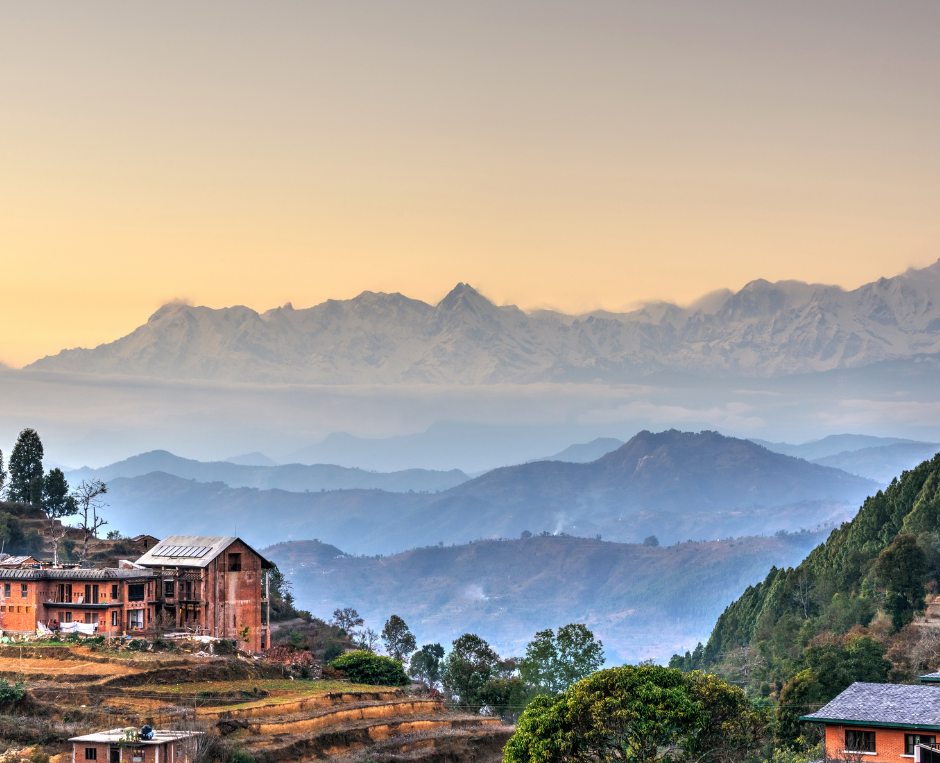
A devastating flash flood struck Nepal’s Himalayan region on August 26, leaving hundreds of people dead and many others missing. The disaster also destroyed homes, roads, bridges and other critical infrastructure.
But what caused the flood, and why are communities in the Himalayas particularly vulnerable to these sudden disasters?
Here are five things to know.
1. The flooding was linked to a massive glacier collapse
What Actually Triggered the Nepal–Tibet Border Flash Flood?
A massive ice and rock avalanche from a glacier triggered a chain reaction near the Nepal–China border. The avalanche and debris blocked the river, forming a temporary barrier lake. When the blockage gave way, a… pic.twitter.com/raaCcjQClO
— Deadly Kalesh (@Deadlykalesh) August 27, 2026
The disaster occurred near the Nepal-Tibet border after a large mass of ice and rock came crashing down from the Himalayas.
Scientists are investigating whether the event began with a glacier collapse, landslide or a combination of both. The resulting debris and water surged into rivers and traveled rapidly downstream, creating devastating flash flooding.
2. A flood does not always require heavy rain
A horrific scene of severe flooding at the Rasuwagadhi border point on the Nepal-Tibet border.
The strong currents wreaked havoc across the area, leaving 400 pilgrims and 105 Indian tourists also missing in the Nepal floods.#NepalFloods #Nepal #Rasuwa #FlashFlood #Floods pic.twitter.com/dwAX12Gj7l— Ravi Pandey🇮🇳 (@ravipandey2643) August 26, 2026
One of the most important things to understand about Himalayan floods is that they can happen even when there isn’t enough rainfall to explain the amount of water rushing downstream.
Glacier-related can happen extremely quickly, leaving people living downstream with little time to react.
3. What is glacial lake outburst flood?
🌏 NEPAL 🇳🇵 | CHINA 🇨🇳 | 🚨 URGENTE – MILES DE PERSONAS ENTERRADAS VIVAS, PUEBLOS BORRADOS DEL MAPA: LOS HUMANOS SOMOS NADA ANTE LA NATURALEZA.
En segundos el alud se llevó todo, hizo desaparecer pueblos enteros, miles de personas han muerto y otras miles están desaparecidas. https://t.co/GY0iGzZizb pic.twitter.com/xYw5kQm9d4
— XAlertNow (@xalertnow) August 26, 2026
A glacial lake outburst flood, commonly called GLOF, occurs when water stored in or near a glacier is suddenly released.
As glaciers retreat, meltwater can collect in lakes held back by natural barriers made of ice, rock or sediment. If that barrier fails, enormous amounts of water can rush downstream.
The Himalayas are particularly vulnerable to these hazards because of the region’s steep terrain and large number of glaciers and glacial lakes.
4. Climate change is increasing concerns about Himalayan glaciers
🚨📦 ¡Entre la devastación y la supervivencia! Las escalofriantes imágenes en los alrededores del Puerto de Gyirong, en la frontera entre Nepal y China, muestran la magnitud del desastre tras el desbordamiento del río Bhote Koshi.
En medio del lodo y las ruinas, se observa a… pic.twitter.com/ADWl6GlsKw
— Cristian Crespo F. 🇨🇺 (@cristiancrespoj) August 26, 2026
Scientists say the Himalayas are warming rapidly, contributing to glacier loss and changing conditions in high mountains areas.
That doesn’t mean scientists can automatically say climate change caused this particular flood. Researchers are still studying the event and its exact chain of causes.
However, warming temperatures can contribute to glacier retreat and may make some mountain slopes and glacier-related environments increasingly unstable.
5. Early warnings could save lives
त्रिशुली बजारमा यसरी पसेको थियो बाढी pic.twitter.com/e2CIyv5awS
— Ratan Bhandari (@ratanji) August 27, 2026
The disaster is also raising questions about flow communities can receive warnings before dangerous floods reach populated areas.
Monitoring glaciers, rivers and mountain slopes can provide valuable information about potential hazards. Experts have also emphasized the importance of better early-warning systems, emergency planning and cooperation between countries that share rivers and mountain watersheds.
Why this matters beyond Nepal
🇳🇵 Disaster in Nepal..⚠️🚨
New Released video, captured more than 50 km downstream from the site of the glacier collapse, shows the rapid arrival of the flood wave, obliterating everything in its wake.#Nepal #NepalFlooding #Floods #Rasuwa #flasfloods #NepalFloods… pic.twitter.com/3Ofw8n7OBA
— sustainme.in® (@sustainme_in) August 27, 2026
The danger isn’t limited to one valley or one country.
The Himalayas contain thousands of glaciers and provide water to some of the world’s most heavily populated regions. When glaciers, lakes and mountain slopes become unstable, the consequences can extend far beyond the high mountains.
Nepal’s latest disaster is a tragic reminder of how quickly conditions in the Himalayas can change -and why understanding these natural hazards is increasingly important.
This story will be updated as scientist and authorities release more information about the cause and impact of the flooding.
Image Source
- Nepal: Canva









Leave a Reply